Client Trust
Why nonprofits increasingly outsource fulfillment to a single accountable partner
Splitting merchandise, storage, and shipping across several vendors multiplies the number of places something can go wrong. A single partner accountable for the whole chain removes that seam.
Vanguard Collective · Client desk · July 27, 2026 · 6 min read
Most nonprofits that build out logistics piece by piece end up with a patchwork: one vendor for merchandise production, another for storage, a courier for shipping, and a separate events contractor for anything happening on-site. Each relationship might work fine on its own. The trouble shows up at the seams — the moment inventory has to move from the storage vendor to the shipper, or from the shipper to the event site, and nobody owns the handoff.
When something goes wrong in a patchwork system, the first hour is often spent figuring out which vendor is responsible, not fixing the problem. The production vendor says the shipment left on time. The shipper says it never received the full order. The storage vendor says it doesn't handle that item anymore. Meanwhile the event is in two days and the organization's staff are the ones making the calls, because no one else feels obligated to.
What consolidation actually solves
- One point of contact who can answer, in real time, where an item is and what its status is.
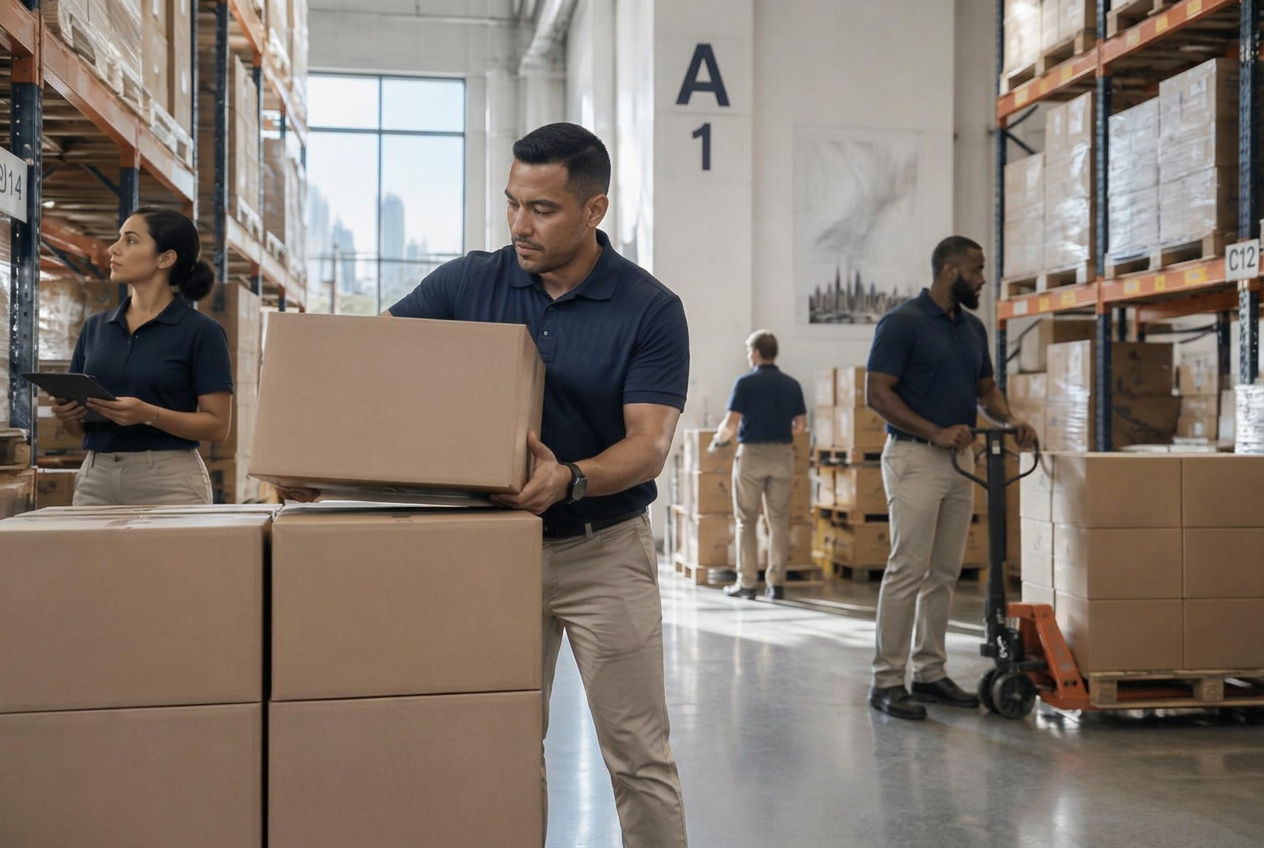
- No handoff gaps between production, storage, transportation, and event delivery, because one operation runs all of it.
- A single accountable party when something goes wrong, rather than a dispute between vendors.
- Program staff freed from vendor management, which is not the skill they were hired for.
“The value of a single partner is not that it never makes mistakes. It is that when something goes wrong, there is exactly one place to call, and that place owns the fix.”
How this plays out for a client
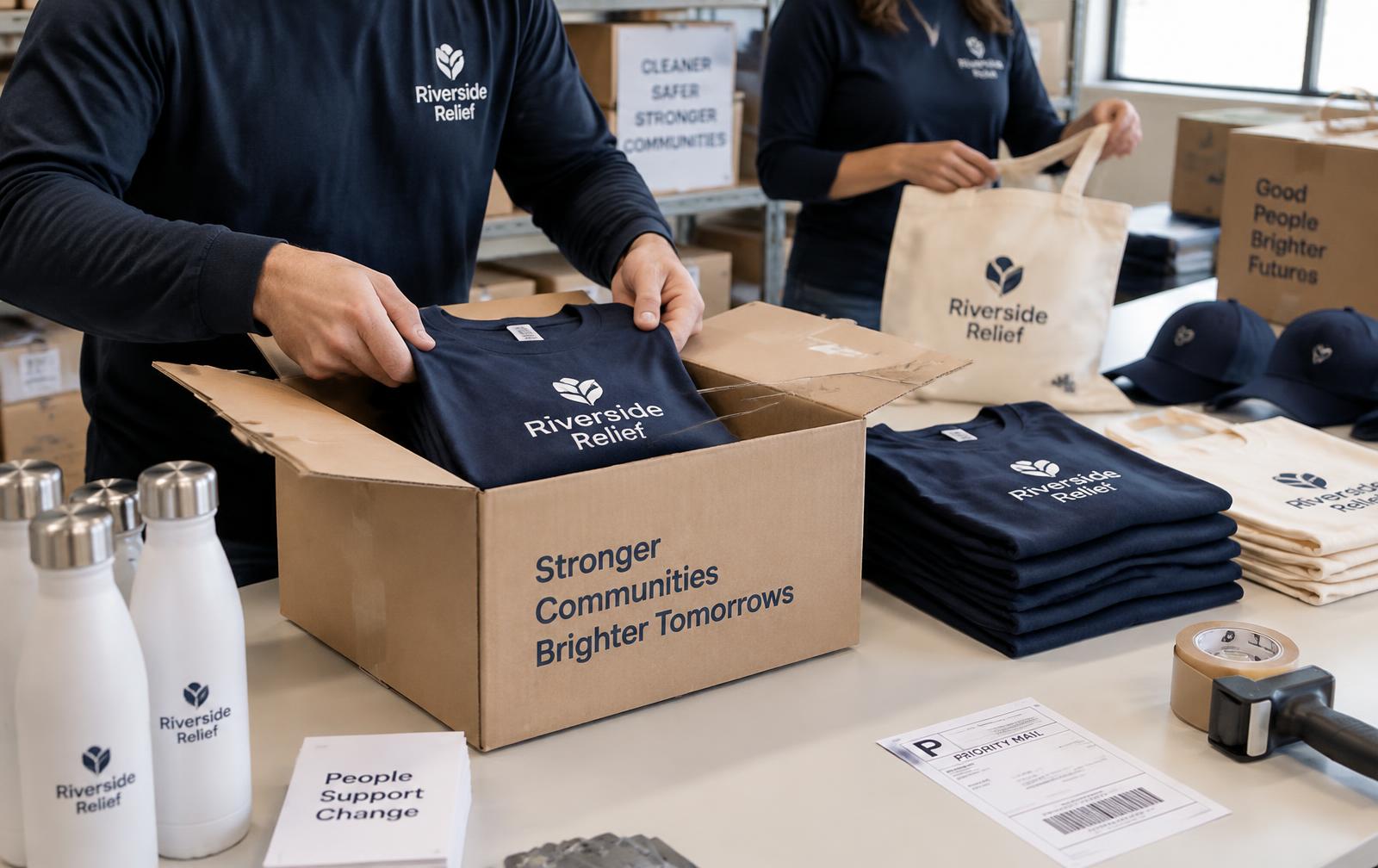
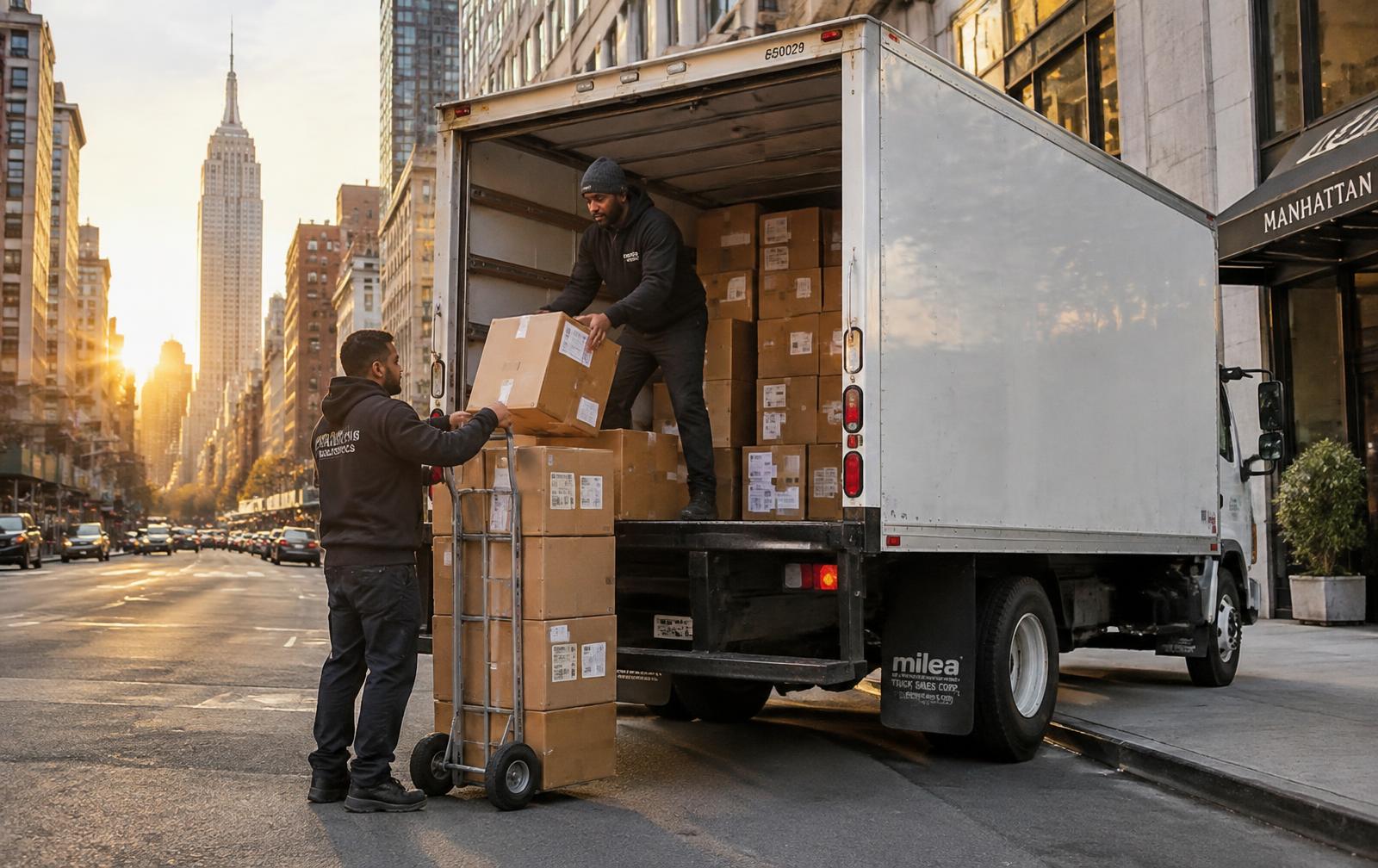
Vanguard Collective runs merchandise production, warehousing, inventory management, transportation, and event logistics as one operation for our nonprofit clients — the same team that produces a branded shirt is tracking its inventory, the same operation storing event materials is the one delivering them to the load-in window. That continuity is what removes the seams.
For an organization, the practical result is fewer vendor relationships to manage, fewer places for a shipment to get lost, and more staff time available for the work the organization actually exists to do. Logistics stops being a recurring distraction and becomes something the organization can rely on without thinking about it.