
Warehousing & Inventory
Warehousing for nonprofits: why storage is a program decision, not an expense line
How and where an organization stores inventory shapes what it can actually do — how fast it can respond, how much it wastes, and how much staff time gets consumed by things that are not the mission.
Vanguard Collective · Editorial desk · August 17, 2026 · 6 min read
Ask a program director where last year's event signage is stored and the answer is often a shrug, or a guess involving three different locations. That is not a failure of any one person. It is what happens when storage is never assigned as a real function. Space gets found wherever it is available — a back office, a rented unit nobody checks on, a volunteer's basement — and the organization loses track of what it owns.
Nonprofits tend to treat warehousing purely as a line item to shrink: less square footage, cheaper rent, whatever is left over after program spending. That framing misses what storage actually does. Storage determines how quickly an organization can respond to an opportunity or a need. Inventory that is centralized, inventoried, and accessible can move in a day. Inventory scattered across informal locations takes a search party.
The hidden costs of ad hoc storage
- Staff time spent locating, moving, or re-buying items that already exist somewhere in the organization.
- Damage and spoilage from storage conditions nobody is monitoring — humidity, pests, simple mishandling.
- Duplicate purchasing, because nobody can confirm what is already on hand before placing a new order.
- Slow response to time-sensitive needs, since retrieving stock from an improvised location takes longer than retrieving it from a managed one.
Storage as a lever, not a cost
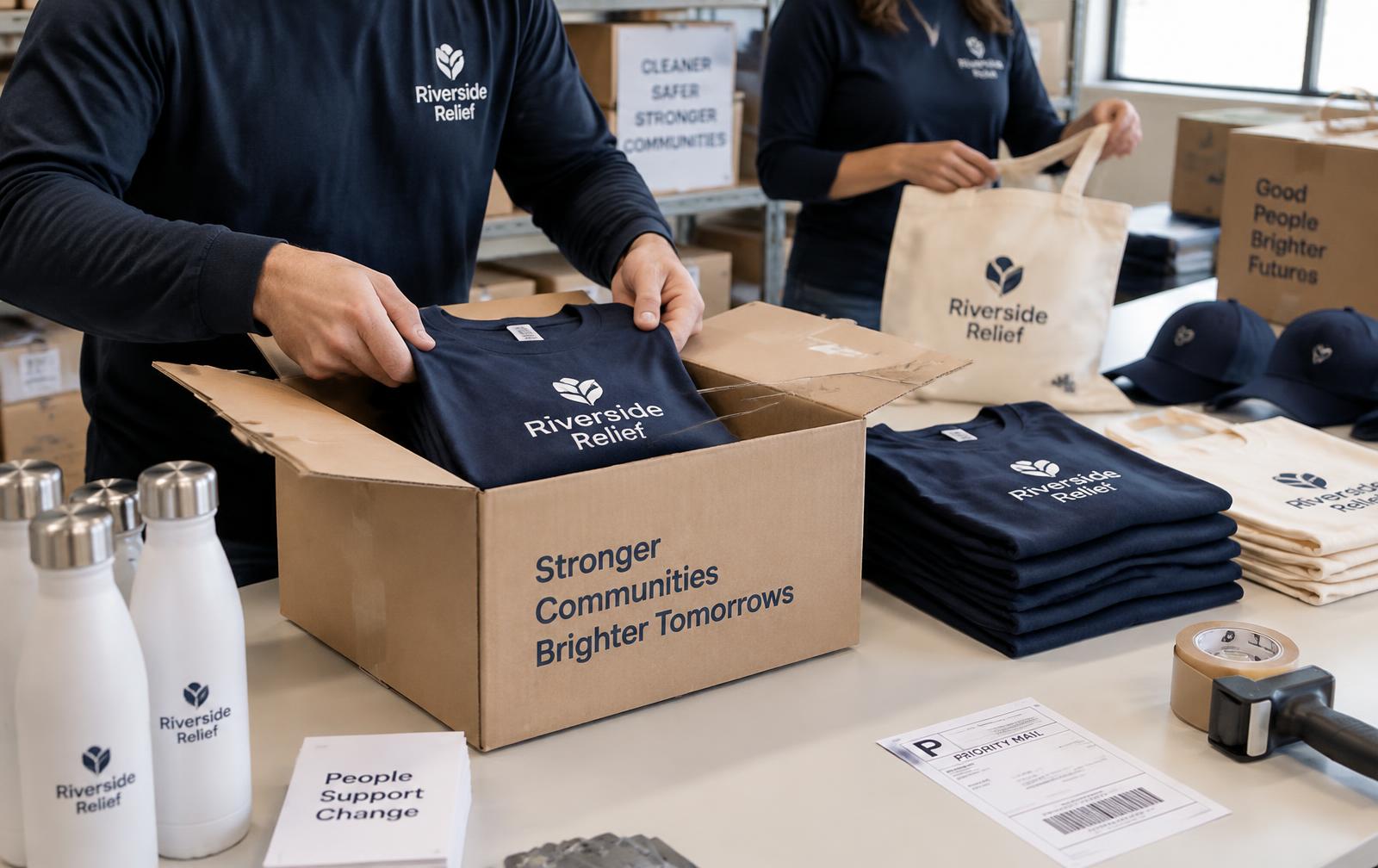
We store client inventory in facilities built for it — organized, tracked, and set up so that pulling stock for a shipment or an event is a routine task rather than a scramble. That means an organization can hold safety stock for a busy season without renting extra office space for it, and can retrieve exactly what a program needs without a staff member spending an afternoon digging through boxes.
“The question worth asking is not how little space we can get away with. It is how quickly we can get the right item to the right place.”
For nonprofit clients working across New York City and beyond, that shift changes what the organization can commit to. A same-week merchandise drop, a fast turnaround on event materials, a response to an urgent community need — all of these depend on inventory actually being where the organization can reach it. Warehousing done well is what makes that possible.