
Client Trust
Inventory visibility: knowing what's on hand before the campaign launches
Most inventory problems are not shortages. They are the fact that nobody could say, with confidence, what was actually available until it was too late to plan around it.
Vanguard Collective · Editorial desk · August 10, 2026 · 5 min read
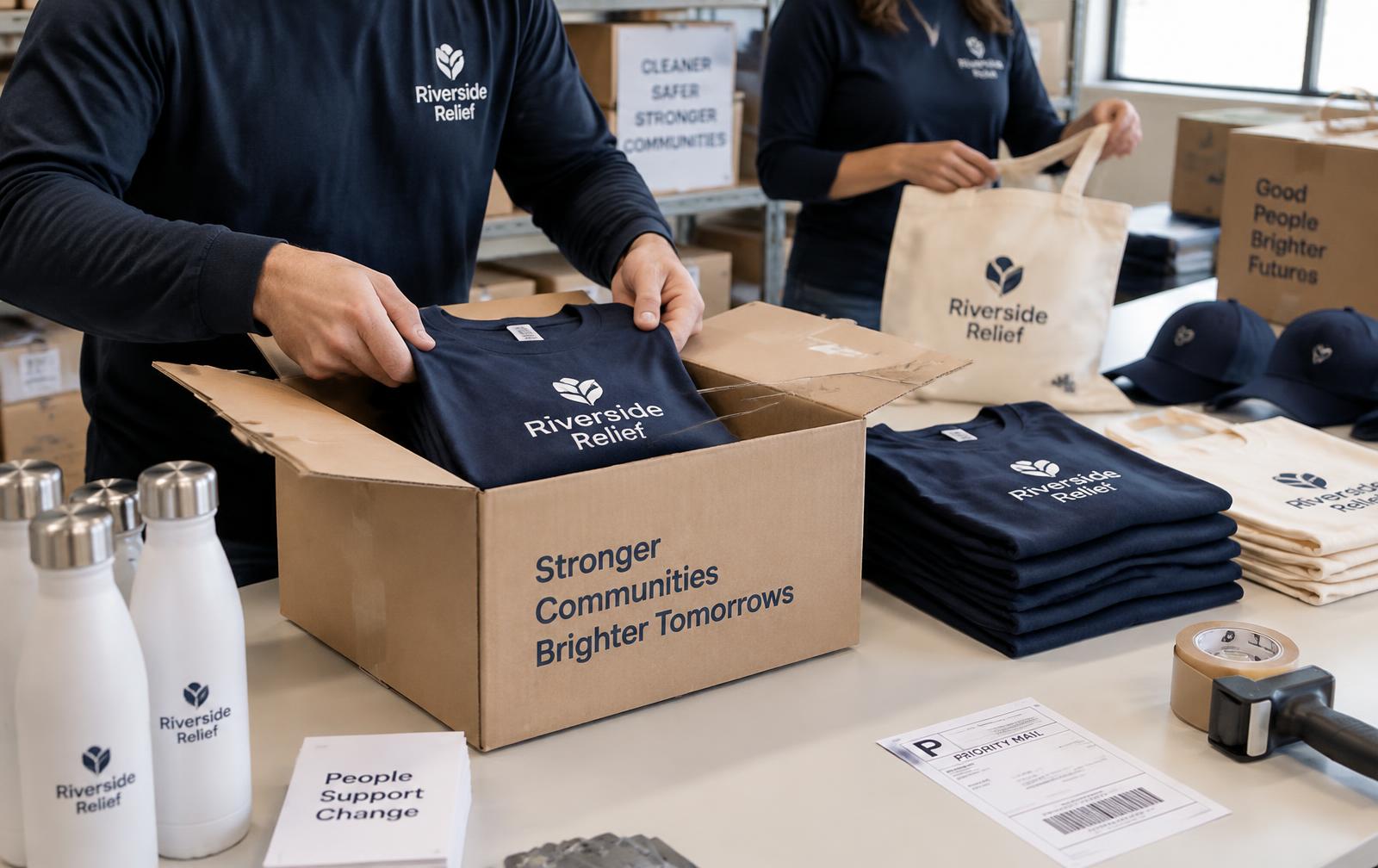
Ask most nonprofit program teams how much merchandise or material they have on hand right now, and the honest answer is usually 'we would have to check.' That gap between believing you have stock and knowing you have stock is where campaigns run into trouble. A launch date gets set, materials get promised to a partner or a donor, and only afterward does anyone confirm whether the inventory actually supports the commitment.
Inventory visibility means something specific: at any point, someone can answer what is available, what is running low, what has shipped, and where everything physically sits — without a phone call, a warehouse visit, or a search through email threads. It sounds basic. Very few organizations have it, because it requires the tracking to happen continuously rather than at year-end or before an audit.
What visibility changes in practice
- Campaigns get scheduled around real stock levels instead of assumptions, avoiding last-minute production scrambles.
- Low-stock items get flagged before they run out, not after a supporter reports an empty shelf.
- Shipments can be tracked from warehouse to destination, so a partner asking 'where is it' gets an answer in minutes.
- Reordering decisions are based on actual usage patterns rather than a guess made under deadline pressure.
“A shortage discovered during planning is a scheduling problem. A shortage discovered during launch is a crisis.”
Building the practice, not just the software
Visibility is partly a tracking system and partly a discipline: every item counted in, counted out, and reconciled against what shipped. Vanguard Collective manages that discipline for nonprofit clients as part of our inventory management work, so a program director can check availability before making a promise, rather than after breaking one.
The payoff shows up in small, unglamorous ways — a campaign that launches on the date it was announced, a partner who gets an accurate shipping estimate on the first ask, a donor mailing that goes out complete rather than in two frustrating batches. None of that makes headlines. All of it builds trust.