Event Operations
Planning outdoor event logistics in New York City
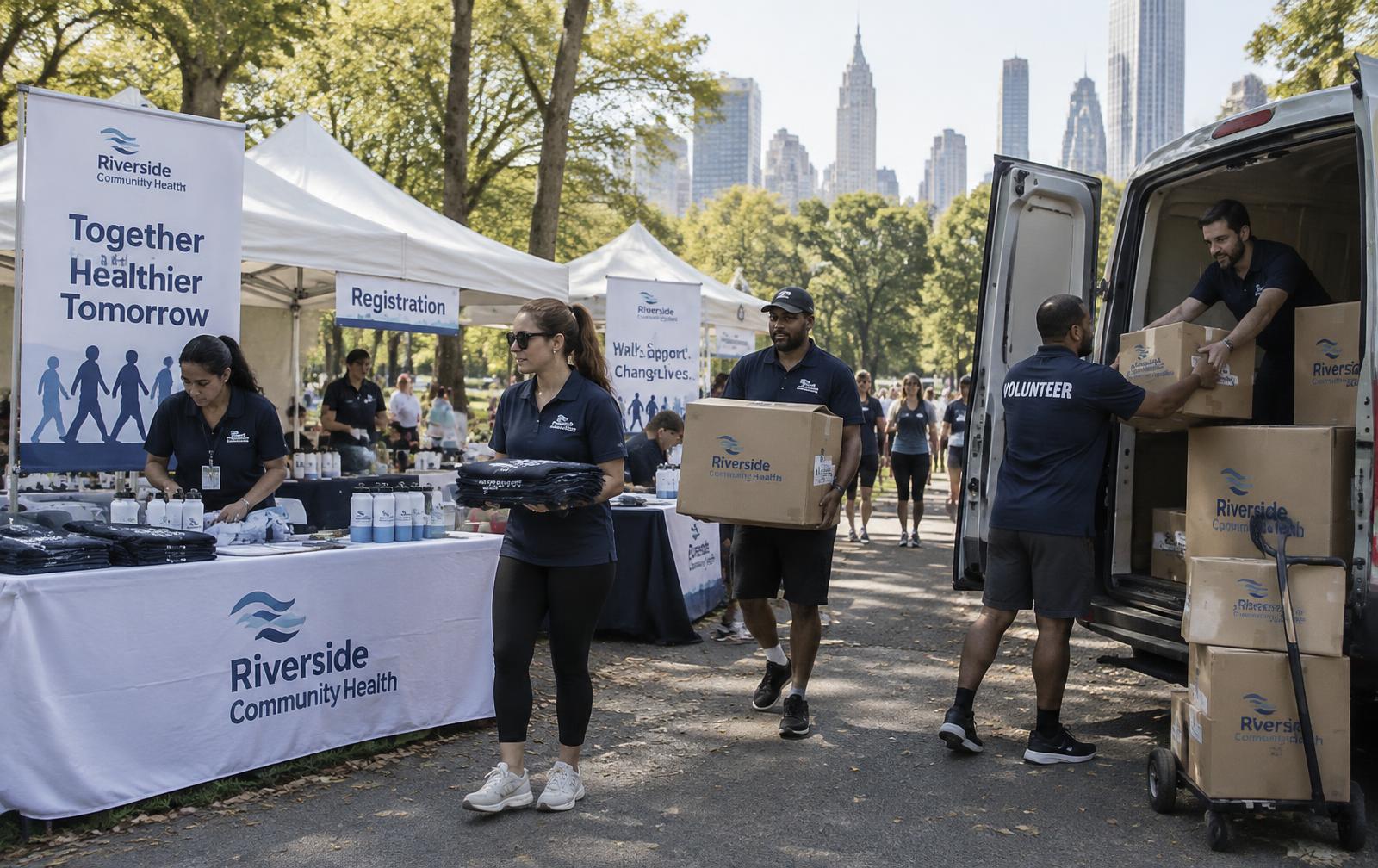
A charity walk or an outdoor community drive in New York runs through permits, load-in windows, and weather that will not cooperate on request. The logistics plan has to account for all three before the date is set.
Vanguard Collective · Events desk · August 3, 2026 · 7 min read
An outdoor event in New York City is, from a logistics standpoint, a negotiation with the city itself. Parks, plazas, and closed streets are shared public space, and using them for a gala tent, a charity walk, or a community drive requires working within rules that were not designed around any single organizer's timeline. Organizations that plan the program first and the logistics second consistently run into the same wall: permits, access windows, and weather that do not adjust to a save-the-date email.
Permits and lead time
Every outdoor site — a park lawn, a plaza, a stretch of closed roadway — has its own permitting body and its own timeline. Lead times can run from a few weeks to several months depending on the location, the expected attendance, and whether the event includes structures, amplified sound, or road closures. Organizations that set a date before confirming permit feasibility frequently end up negotiating for a fallback site under time pressure. Building the permit timeline into the planning calendar from day one avoids that.
Load-in and load-out windows
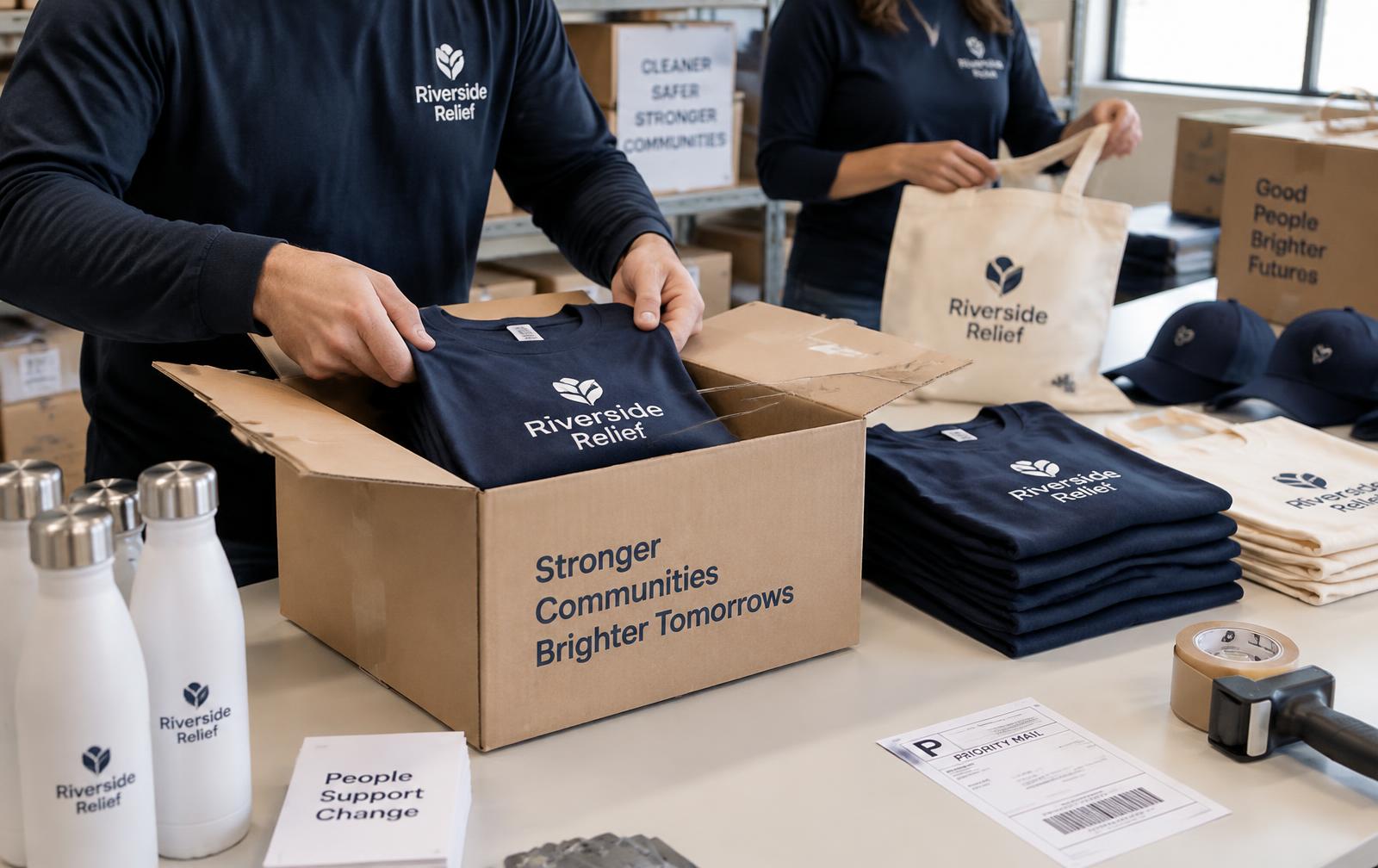
Dense urban sites come with narrow access windows for vehicles, and those windows are enforced. A truck that misses its load-in slot does not get a second one that morning. Coordinating tents, tables, signage, merchandise, and supplies against a tight arrival window requires a schedule that sequences deliveries rather than sending everything at once and hoping the site can absorb it.
- Confirm permitted vehicle access times and staging areas before committing to a delivery schedule.
- Sequence deliveries so heavy or early-need items (tents, barriers) arrive before lighter, later-need items (merchandise, printed materials).
- Build in buffer time for street closures, security checkpoints, and site inspections that can slow arrival.
- Confirm load-out timing as carefully as load-in — a late breakdown can trigger separate violations and fees.
Weather contingency
“An outdoor event without a weather plan does not have a backup. It has a hope.”
A real contingency plan names the trigger conditions for a change of plan, identifies where equipment and materials go if the event shifts indoors or is postponed, and confirms in advance who is authorized to make that call on the day. Vanguard Collective builds outdoor event logistics for nonprofit clients around these three constraints from the start — permits, access windows, and weather — rather than treating them as risks to manage if they come up.